CBD Pills and Gut Health: Can They Help with IBS or Inflammation?
- 6 Jul 2026

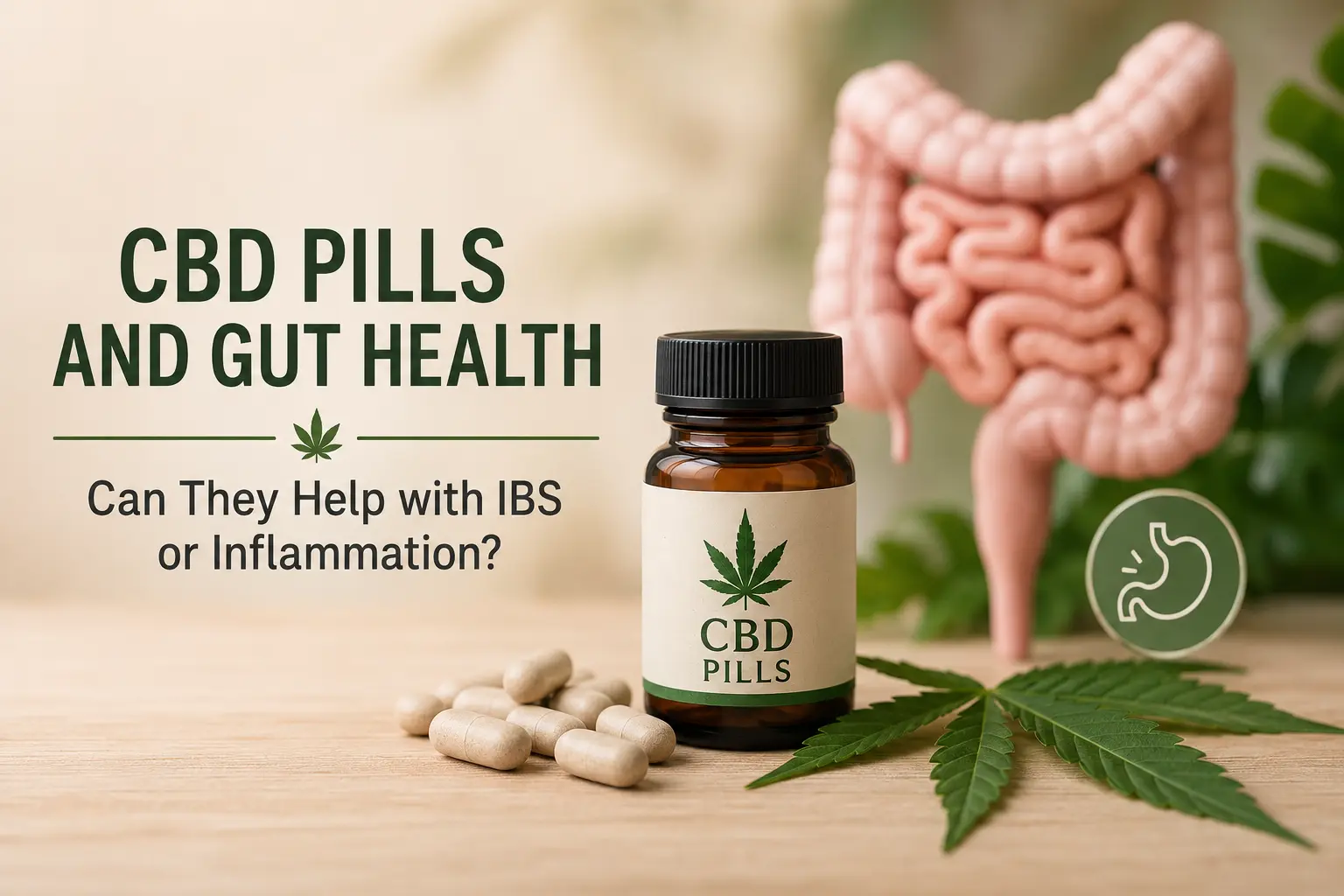
Digestive issues affect millions of people worldwide, with conditions like Irritable Bowel Syndrome (IBS) and chronic gut inflammation becoming increasingly common. Bloating, abdominal pain, irregular bowel movements, and discomfort can significantly impact daily life. As interest in natural wellness solutions continues to grow, CBD pills have emerged as a popular supplement for people looking to support their digestive health.
But can CBD pills actually help with IBS or inflammation? While research is still evolving, early findings suggest that cannabidiol (CBD) may interact with the body’s endocannabinoid system in ways that influence gut function, inflammation, and pain perception. However, it’s important to understand both the potential benefits and the current limitations of the evidence.
In this article, we’ll explore how CBD pills may affect gut health, what the science says about IBS and inflammation, and whether they might be worth considering as part of a broader wellness plan.
Table of Contents
ToggleCBD pills are oral supplements containing cannabidiol (CBD), a naturally occurring compound found in the hemp plant. Unlike THC, CBD is non-intoxicating, meaning it does not produce the “high” associated with cannabis.
CBD pills offer several advantages over oils and tinctures:
Because they pass through the digestive system before entering the bloodstream, CBD capsules typically take longer to work than sublingual oils but may provide more sustained effects.
IBS is a functional digestive disorder that affects the large intestine. Common symptoms include:
Although IBS does not cause permanent damage to the intestines, it can significantly reduce quality of life.
Inflammatory bowel conditions, such as Crohn’s disease and ulcerative colitis, differ from IBS because they involve ongoing inflammation that can damage intestinal tissue.
Researchers believe that several factors contribute to digestive disorders, including:
This complexity is one reason why many people seek complementary therapies like CBD.
CBD interacts with the body’s endocannabinoid system (ECS), a network of receptors involved in regulating numerous physiological functions, including digestion, immune activity, pain perception, and inflammation.
Scientists have discovered cannabinoid receptors throughout the gastrointestinal tract, suggesting the ECS plays an important role in maintaining gut balance. Research indicates the ECS may help regulate:
Because CBD influences this system indirectly, researchers believe it may help support normal digestive function without directly stimulating cannabinoid receptors.
Although current evidence remains limited, several potential mechanisms suggest CBD could help relieve certain IBS symptoms.
One of the most troublesome IBS symptoms is abdominal pain caused by increased gut sensitivity.
CBD has been widely studied for its potential analgesic properties. By interacting with pain-related receptors and inflammatory pathways, it may help reduce discomfort experienced by some individuals.
Stress is one of the biggest IBS triggers.
The gut and brain communicate continuously through the gut-brain axis. Anxiety and chronic stress often worsen IBS symptoms.
Some studies suggest CBD may promote relaxation and reduce anxiety, which could indirectly improve digestive symptoms in stress-sensitive individuals.
Digestive movement that is either too slow or too fast contributes to constipation and diarrhea.
The endocannabinoid system helps regulate intestinal movement, and researchers are investigating whether cannabinoids may help normalize gut motility in some patients. However, findings remain mixed, and more clinical studies are needed.
One of CBD’s most researched properties is its potential anti-inflammatory effect.
Laboratory and animal studies have shown that CBD may help regulate inflammatory responses by influencing immune signaling molecules. Researchers are particularly interested in its role in inflammatory bowel diseases (IBD), although evidence in humans remains limited.
Some research suggests cannabinoids may help reduce:
However, current clinical trials have not yet demonstrated that CBD alone can treat Crohn’s disease or ulcerative colitis. It may improve certain symptoms for some individuals, but it should never replace prescribed medical treatment.
The scientific evidence surrounding CBD and gut health is promising but still developing.
Researchers have identified several reasons for optimism:
However, important limitations remain:
According to a review published by the U.S. National Library of Medicine, more high-quality clinical trials are needed before CBD can be recommended as a standard treatment for IBS. You can read the review here: National Library of Medicine – Irritable Bowel Syndrome and the Endocannabinoid System.
CBD is generally considered well tolerated for most healthy adults.
Possible side effects may include:
CBD may also interact with certain medications, including blood thinners, seizure medications, and drugs processed by the liver.
Always consult a healthcare professional before starting CBD, especially if you have a chronic digestive condition or take prescription medications.
Not all CBD products are created equal. Look for products that offer:
Avoid products making unrealistic claims such as “cures IBS” or “eliminates inflammation.”
CBD pills have generated considerable interest as a natural option for supporting digestive wellness. Early research suggests they may help regulate the endocannabinoid system, potentially reducing abdominal discomfort, supporting healthy gut function, and influencing inflammatory responses.
However, the current scientific evidence is not strong enough to conclude that CBD pills can treat IBS or inflammatory bowel diseases. They may provide symptom relief for some individuals, particularly when combined with a healthy diet, stress management, regular exercise, and guidance from a healthcare professional.
As research continues, CBD may become an increasingly important part of integrative digestive health strategies. Until then, it should be viewed as a complementary wellness supplement rather than a replacement for evidence-based medical care.

Hariom Patidar has been working in digital marketing for 3 years. He loves using online tools to make great campaigns for businesses. Hariom is really good at what he does and has helped many companies get more people to know about them online. When he’s not busy with work, Hariom likes to learn about new things in marketing.
High CBD Gummies by Marketcap © All Rights Reserved 2026