CBD Gummies for Athletes — Beyond Post-Workout Recovery
- 20 Jul 2026

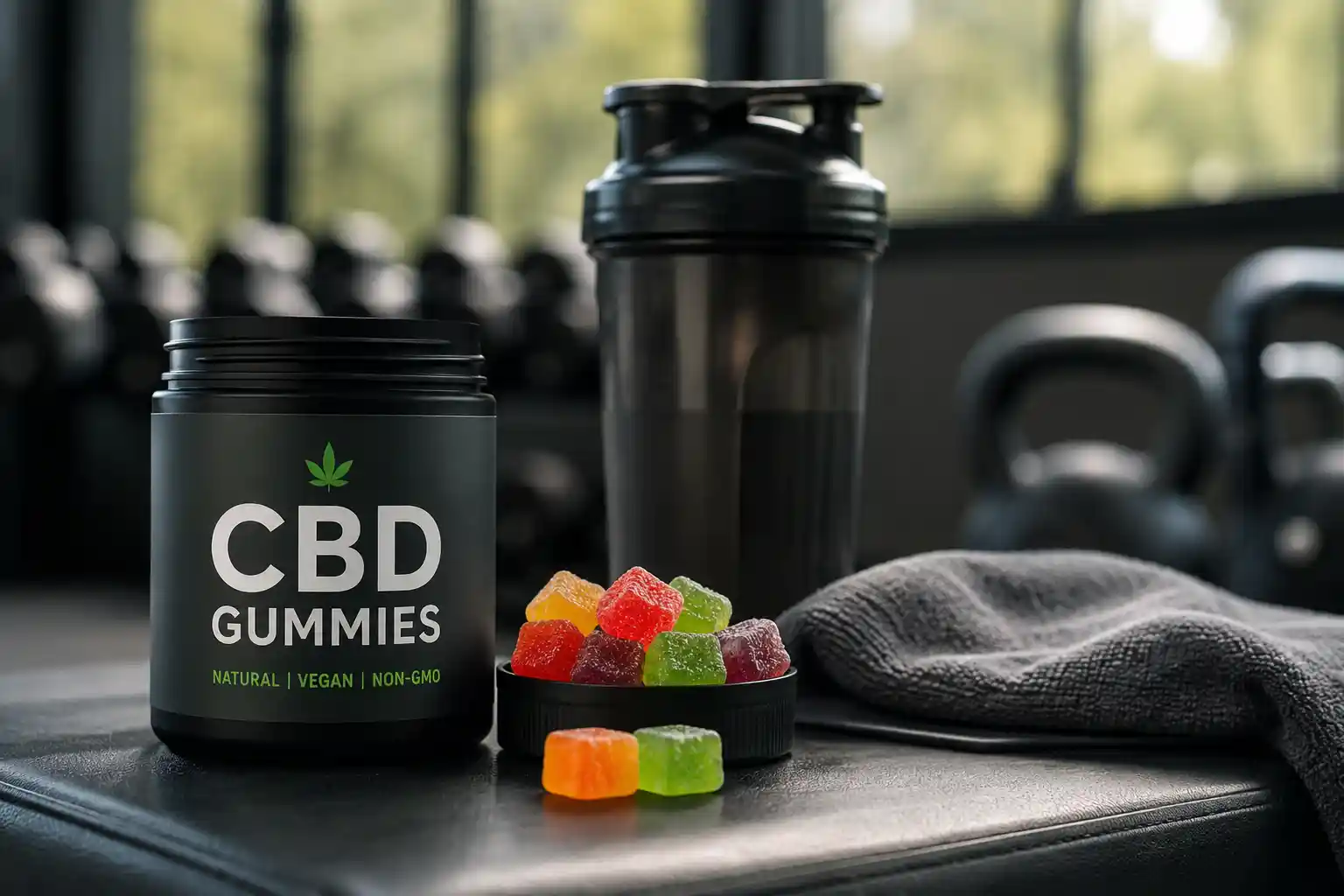
Athletes are constantly searching for ways to improve performance, recover faster, and maintain consistency throughout demanding training schedules. While protein powders, electrolytes, and recovery drinks have long dominated the sports nutrition market, CBD gummies have recently gained attention for their potential wellness benefits. Although many people associate CBD primarily with post-workout recovery, its potential applications extend well beyond easing muscle soreness.
From promoting better sleep and helping manage everyday stress to supporting mental focus and overall well-being, CBD gummies are becoming part of many athletes’ wellness routines. However, it’s important to separate marketing claims from scientific evidence and understand both the benefits and limitations before incorporating them into a training program.
CBD (cannabidiol) is a naturally occurring compound found in the hemp plant. Unlike THC (tetrahydrocannabinol), CBD is non-intoxicating, meaning it does not produce the “high” commonly associated with cannabis.
CBD gummies are edible supplements infused with measured amounts of cannabidiol. They offer a convenient, discreet, and easy-to-dose alternative to CBD oils or tinctures. Since they are pre-portioned, athletes can better track their daily intake without measuring liquids.
Most high-quality CBD gummies are made using either:
The type you choose may depend on your personal preferences and any competition regulations you need to follow.
Quality sleep is one of the most powerful recovery tools available to athletes. Growth hormone production, muscle repair, and cognitive restoration all occur during deep sleep.
Some preliminary research suggests that CBD may help certain individuals improve sleep quality by promoting relaxation and reducing factors that interfere with restful sleep, such as stress or discomfort.
While CBD is not a sleeping pill, many athletes report feeling more rested when it becomes part of their evening wellness routine.
Competitive sports bring mental pressure alongside physical demands. Training schedules, competitions, travel, and balancing personal life can contribute to chronic stress.
CBD may help support a sense of calm without causing intoxication. This could make it useful for athletes seeking healthy ways to manage everyday stress while maintaining mental clarity.
It’s worth noting that individual responses vary, and CBD should not replace professional treatment for anxiety or mental health conditions.
Recovery isn’t only about muscles. Mental fatigue can also affect performance.
Some athletes use CBD as part of a broader recovery strategy that includes proper nutrition, hydration, stretching, and adequate rest. Although scientific evidence remains limited regarding cognitive performance, many users report improved relaxation, allowing them to return to training feeling mentally refreshed.
Intense training naturally causes temporary muscle soreness and inflammation.
CBD interacts with the body’s endocannabinoid system, which plays a role in regulating pain perception and inflammatory responses. Researchers continue studying whether CBD may help reduce exercise-induced discomfort, though current evidence remains mixed.
Rather than replacing traditional recovery methods, CBD is best viewed as one possible addition to a comprehensive recovery plan.
Not all CBD products are created equal. Athletes should prioritize quality over marketing claims.
When shopping for CBD gummies, look for:
The U.S. Food and Drug Administration (FDA) guidance on CBD products provides useful information about product safety, labeling, and current research.
This is one of the most common questions among competitive athletes.
CBD itself is not prohibited by the World Anti-Doping Agency (WADA). However, many cannabis-related compounds remain banned during competition. Since some CBD products may contain trace amounts of THC, athletes should exercise caution.
Choosing THC-free products that undergo independent laboratory testing can reduce the risk of accidental contamination.
Always verify the regulations of your specific sport or governing organization before using any CBD product.
Although CBD is generally considered well tolerated, it may cause side effects in some individuals, including:
CBD can also interact with certain medications. Athletes taking prescription medications should consult a qualified healthcare professional before adding CBD supplements to their routine.
If you’re considering CBD gummies, keep these tips in mind:
CBD gummies are increasingly becoming part of modern sports wellness routines, not just for post-workout recovery but also for supporting sleep, relaxation, stress management, and overall well-being. While early research is promising, many potential benefits still require larger, high-quality clinical studies before firm conclusions can be drawn.
For athletes, CBD should be viewed as a complementary wellness tool rather than a performance-enhancing shortcut. Choosing high-quality products, understanding sports regulations, and maintaining realistic expectations are essential for making informed decisions.
When combined with consistent training, balanced nutrition, proper recovery, and healthy lifestyle habits, CBD gummies may offer another option to help athletes perform at their best—both on and off the field.